History of German Electronic Music
German electronic music is a broad musical genre surrounding specific styles such as Electroclash, trance, krautrock schranz and techno. It emerged in the late 1960s and early 1970s and has continued to increase in popularity. Originally a minimalistic style of electronic music, it has developed into psychedelic and prog rock aspects, techno and electronic dance music. This music usually uses polyphonic synthesizers, electronic drums, turntables, and drum machines. The musical elements of German electronic music are very specific to the style and artist. German artists experimented and drove the frontier of electronic music. Despite being isolated and largely working independently, they were driven by a common principle of seceding away from American and British rock, pop, and soul archetypes as well as embracing absolute political and emotional self expression through electronically manipulated sounds. Kraftwerk, a famous German electronic band utilizes metronomic melodies, while another band Faust, maintains minimalism by using one two chords or riffs played at high volumes. Following the fall of the Berlin Wall and the ensuing transitory period of legal uncertainty, growth in the network of illegal techno parties in the east exploded. From unused factories, bunkers, empty sections adjacent to the walls remains, youth fused with techno music to form what is argued the first social reunification of Germany. Without a curfew, Berlin clubs and bars did not close. Queer culture thrived at venues like Metropol and tourists from Europe would fly in to participate in Berlin's explosive rave culture of techno, drugs, and fashion. German electronic music also contributed to the 21st century's globalized trend of electronic dance music and fusion into modern pop. However, electronic music was not just a means of recreation, experimentation, and creativity. It helped heal the spirit between Western and Eastern Berlin. Today people come from all over the world to Berlin to experience the nightlife and experience the culture of electronic music.
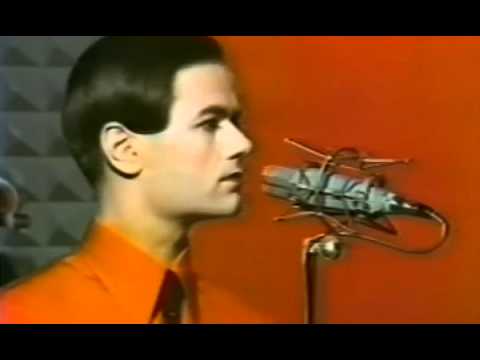
Kraftwerk - The Robots
German electronic bands
Kraftwerk is a German band formed in Düsseldorf in 1970 by Rald Hütter and Florian Schneider. Widely considered the innovators and pioneers of electronic music, Kraftwerk were among the first successful acts to popularize the genre. The group began as part of West Germany's experimental krautrock scene in the early 1970s before fully embracing electronic instrumentation, including synthesizers, drum machines, and vocoders. Wolfgang Flür joined the band in 1974 and Karl Bartos joined in 1975, expanding the band. They developed a self described "robot pop" style that combined electronic music with pop melodies, sparse arrangements, and repetitive rhythms, while adopting a stylized image including wearing matching suits. In 2014 the Recording Academy honored Kraftwerk with a Grammy Lifetime Achievement Award. They late won the Grammy award for Best Dance/Electronic Album with their live album 3-D The Catalogue at the 2018 ceremony. They were also inducted into the Rock & Roll Hall of Fame in 2021.
Tangerine Dream is another German electronic band, founded in 1967 by Edgar Froese. Tangerine Dream is considered a pioneering act in electronica. Their work with the electronic music Ohr label produced albums that had a pivotal role in the development of the German musical scene known as "kosmische Musik" (cosmic music). Among other projects, they helped create the soundtrack for the game "Grand Theft Auto V."
Wolfsheim was a synthpop duo from Hamburg that consisted of Markus Reinhardt and Peter Heppner. They are best known for their singles "The Sparrows and the Nightingales" and "Once in a Lifetime." Their lyrics tend to be melancholic. The band was named after Meyer Wolfsheim, a fictional character from F. Scott Fitzgerald's novel The Great Gatsby.
Wolfsheim - Once in a Lifetime
Subgenres of electronic music
Electroclash is a style of music fusing 1980s electro and new wave synthpop with 1990s techno and electronic dance with elements of funk and punk. Electroclash primarily uses keyboards, groove boxes, turntables, and computers to produce its tracks. Electroclash encompasses a music culture that is confident and inspires individualist personalities and sexual freedom.
Trance is a form of electronic dance music, characterized by high rates of beats per minute (120-160), melodic progressive synths and repetitive rhythms. The typical song structure involves mixed layers developing into a build up, a climax and then a release. Trance is mostly instrumental, although vocals can be mixed in. The "Trance" name may refer to an induced emotional feeling, high, euphoria, or uplifting rush that listeners claim to experience or may indicate an actual trance-like state. A writer for Billboard magazine writes, "Trance music is perhaps best described as a mixture of 70s disco and 60s psychedelia."
Schranz is a style of fast and loopy techno electronic music characterized by harsh abrasive machine-like sounds. Developed in Germany during the late 1990s to early 2000s. Schranz is usually less melodic and is largely percussion oriented, relying on looped, filtering drum patterns with distorted drums, heavy compression, and "whooshing" cymbal sounds. Dj's use schranz records in clubs to boost the mood and the speed of the individual sets.
Techno is another style that originated in Germany in the early 1980s. It is generally produced for use in a continuous DJ set, with tempo often varying between 120 and 150 beats per minute. Artists may use electronic instruments such as drum machines, sequencers, and synthesizers, as well as digital audio workstations. DJ Talla 2XLC started using the term techno to categorize artists such as New Order, Depeche Mode, and Kraftwerk. DJ Talla founded a techno club that served as a spot for electronic music.
DJ Talla2XLC
German festivals that incorporate electronic music
Germany's annual Love Parade was an electronic dance music festival. The first Love Parade consisted of a couple of vans playing techno music for a crowd of about 300 fans but the event soon grew into a festival that attracted corporate sponsorship. In 1997 the crowd size was estimated at over a million people. However in 2010 organizers ended the event after a tragic stampede killed 21 and injured over 500 people.
Mayday is another electronic music festival that is celebrated in Germany. Young people use this opportunity to party. Their motto is "Tanz in den Mai" (Dance into May).
Work Cited
“Electroclash.” Wikipedia, Wikimedia Foundation, 23 Feb. 2023, en.wikipedia.org/wiki/Electroclash.
“German Electronic Music.” Wikipedia, Wikimedia Foundation, 1 Oct. 2022, en.wikipedia.org/wiki/German_electronic_music#Cultural_significance.
“Kraftwerk.” Wikipedia, Wikimedia Foundation, 4 Apr. 2023, en.wikipedia.org/wiki/Kraftwerk.
“The Love Parade.” Encyclopædia Britannica, Encyclopædia Britannica, Inc., www.britannica.com/topic/The-Love-Parade-1688407.
Schranz - Music Genre - Rate Your Music. rateyourmusic.com/genre/schranz/.
“Tangerine Dream.” Wikipedia, Wikimedia Foundation, 21 Mar. 2023, en.wikipedia.org/wiki/Tangerine_Dream.
“Techno.” Wikipedia, Wikimedia Foundation, 15 Apr. 2023, en.wikipedia.org/wiki/Techno.
“Trance Music.” Wikipedia, Wikimedia Foundation, 25 Apr. 2023, en.wikipedia.org/wiki/Trance_music.
“Wolfsheim (Band).” Wikipedia, Wikimedia Foundation, 2 Mar. 2023, en.wikipedia.org/wiki/Wolfsheim_(band).



.jpeg)
I had no idea about the enriching and healing effects of German electric music. The influence that techno music had during the time of the Berlin Wall was very interesting to learn about. German electronic music seems to have a complex history that has shaped and influenced many events through its subgenres.
ReplyDelete